
Maresy-doats and doesy-doats and little lambsy-divy.
A kid’ll eat ivy too – wouldn’t you?
This was one of the nonsensical songs my mother would sing to us in our childhood. Of course we would chuckle for we knew the next line was coming, which would explain the first.
If the words sound queer and funny to your ear, a little bit jumbled and jivey,
Just say mares eat oats and does eat oats and little lambs eat ivy….
Words were our parents’ toys and it was only natural that we became comfortable with language early on. Growing up in a home that eschewed the television because our father could see into the future to a time when the box at the front of the room would draw the attention from all else, we were left with ‘only’ words — the written word, the spoken word, and the words that were joyfully sung.
A flea and a fly in a flue were imprisoned
So what could they do?
Said the flea, Let us fly!
Said the fly, Let us flee!
So they flew through a flaw in the flue.
Oh, how I remember trying to learn this little wordplay as a child. With all the homonyms, it certainly made a young child’s mind think! And think we did. We wrote poems, sang songs, read books…
We never noticed the great thing our parents were doing in equipping us with a love of language. We did not think it odd when our mother would tell us to clean up because we looked like ‘The Wreck of the Hesperus’. We knew that was a Longfellow poem about a shipwreck and we must do just as she said. I once referred to this in a class I was teaching and the poor unfortunate souls looked at me in confusion. For all the ‘progress’ of enlightened, modern education, their lack of knowledge took me by surprise. I thought everyone grew up surrounded by Jabberwocky and walked down the beach with the Walrus and the Carpenter.
The language of hymns lifted our vocabulary and increased our understanding of words as we sang:
Though the angry surges roll o’er my tempest driving soul,
I am peaceful for I know, wildly though the winds may blow,
I’ve an anchor safe and sure, that shall evermore endure.
And it holds, my anchor holds
Blow your wildest then o gale,
On my bark so small and frail,
By His grace it shall not fail,
For my anchor holds, it firmly holds.
At Christmastime, we learned history as we sang the words of Longfellow written during the dark years of the Civil War, struggling with his sadness at the division of the country and expressing his hopefulness when he writes –
And in despair I bowed my head. There is no peace on earth I said.
For hate is strong and mocks the song of peace on earth, goodwill to men.
Then rang the bells more loud and deep, GOD IS NOT DEAD NOR DOTH HE SLEEP.
The wrong will fail; the right prevail with peace on earth goodwill to men!
Oh, it was so easy to believe when we were surrounded by this goodness, this beauty, this use of language! Chesterton, that great British author was not afraid to speak about words:
Our generation professes to be scientific and particular about the things it says, but unfortunately, it is never scientific and particular about the words in which it says them. It is difficult to believe that people who are obviously careless about language can really be careful about anything else.
Our dear Chesterton is correct – and to think he died in 1936! Ah, but he was a man of words and could see what was truly coming down the pike. He knew that standards in speech are important and one of the ways we establish order in a society. When language falters, we are less likely to understand one another. Without rules of speech we do not present ourselves well and this often leads to coarse or underdeveloped use of words. Without an ability to converse, chaos reigns.
There are arguments that can take place peacefully. We call them discussions. However, without the ability to communicate clearly we will never be able to have them! Chesteron notes this also, when he says:
What is the good of words if they aren’t important enough to quarrel over? Why do we choose one word more than another if there isn’t any difference between them? If you’re not going to argue about words, what ARE you going to argue about?
Ah! This man is speaking my language. How many nights around the dinner table did talk reign supreme with opinions freely given – very freely given, for we were raised to speak our minds and we certainly did. Man or woman, boy or girl, each had words to say. Our parents viewed us with the respect granted a child of God and we would never take advanatage of that. We knew there were times to be seen and, respectfully, not heard, but that we would also have our time to speak.
My father’s last words to me arrived in a card a few days after his death. I treasure those words. They are worth more than any amount of money. The words we exchanged over tea, the everyday discussions of what flowers or vegetables he would plant in those last years of his life, are precious and gentle remembrances of time well spent.
Now, whenever I sit in a crowded room or around a table and hear conversation flowing around me, whenever I am part of that conversation, I am reminded that my wise parents presented me with a feast of words, a love of language, and I am reaping the benefits daily. That, my friends, is what we call a legacy.
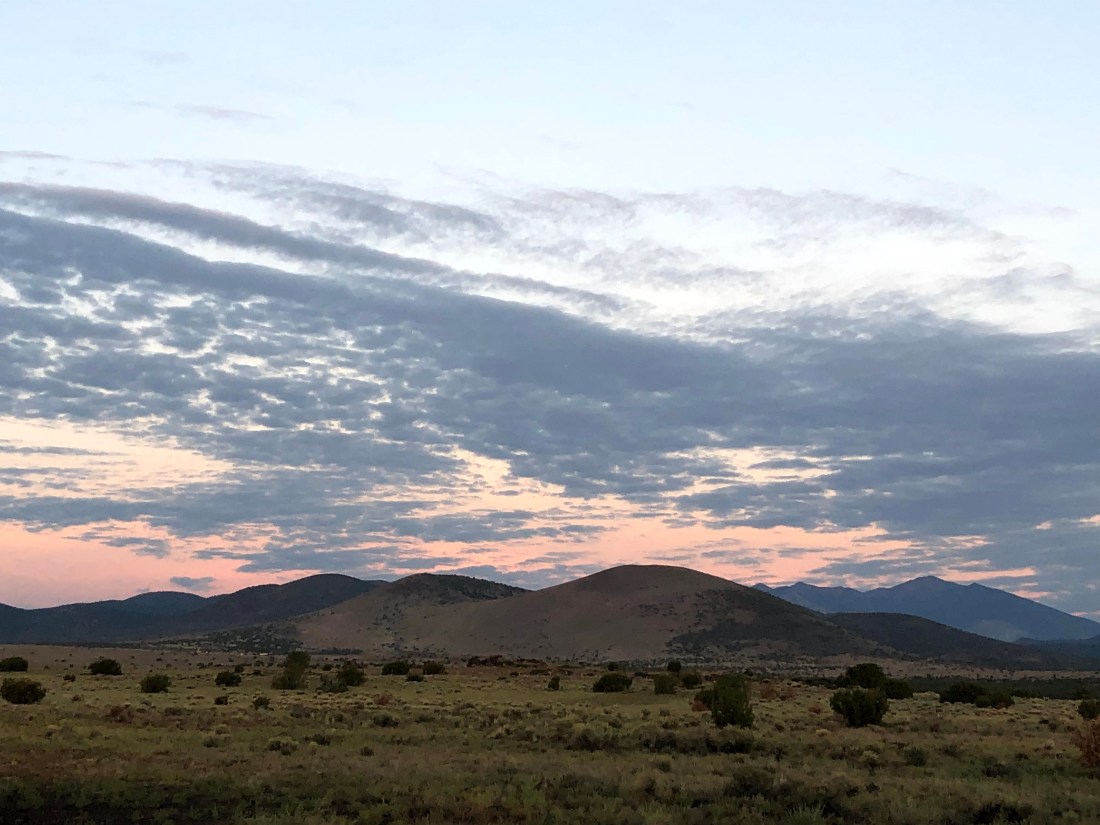
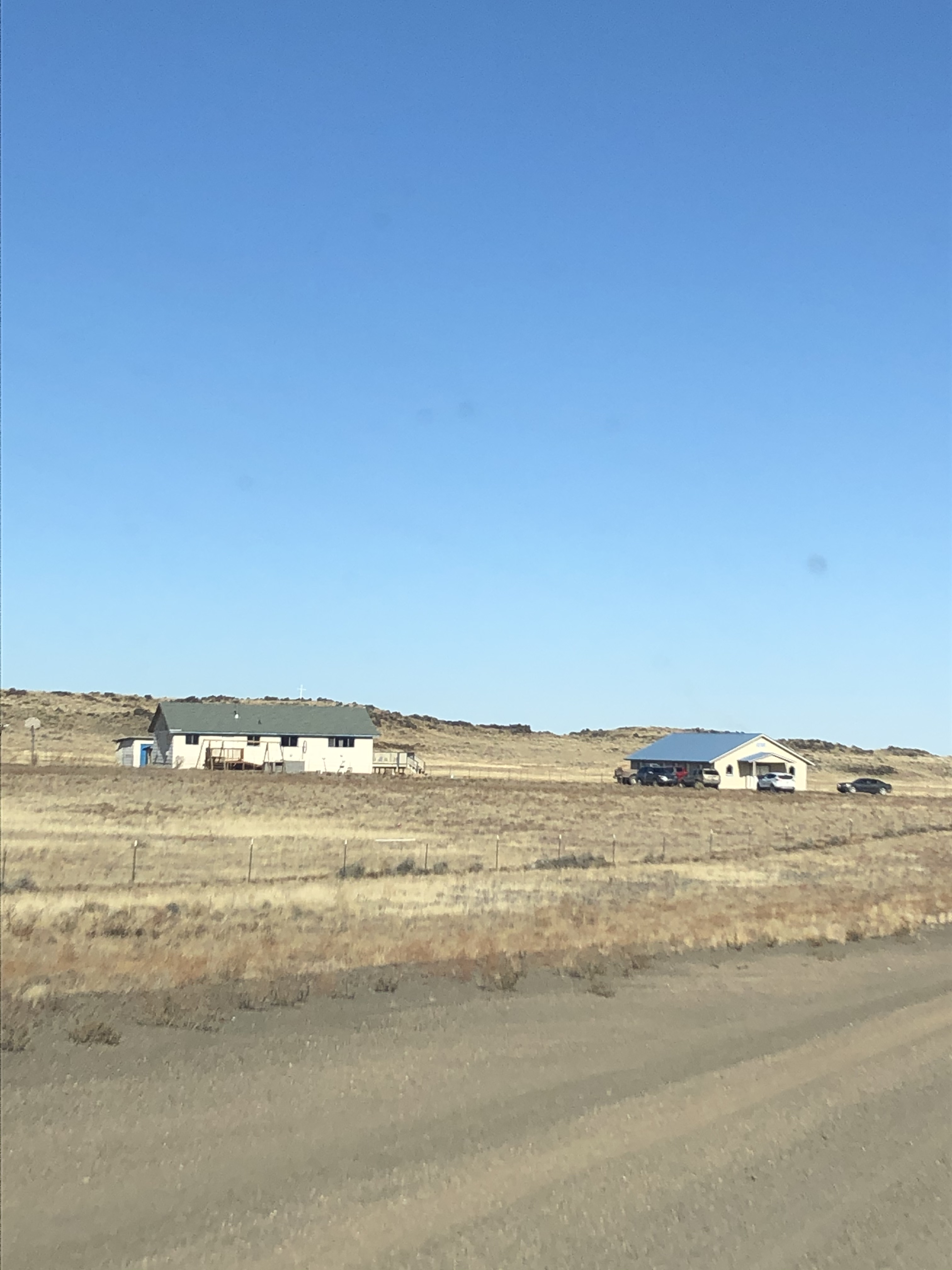 It’s the Sunday before Thanksgiving and I am sitting at the piano in our little church on the reservation. We talked, last Sunday evening, about how the Navajo word for Thanksgiving was, for a long time, Little Christmas (Kishmish). Our pastor says there was no understanding of the history of Thanksgiving and so it was seen as a precursor to Christmas, minus the presents.
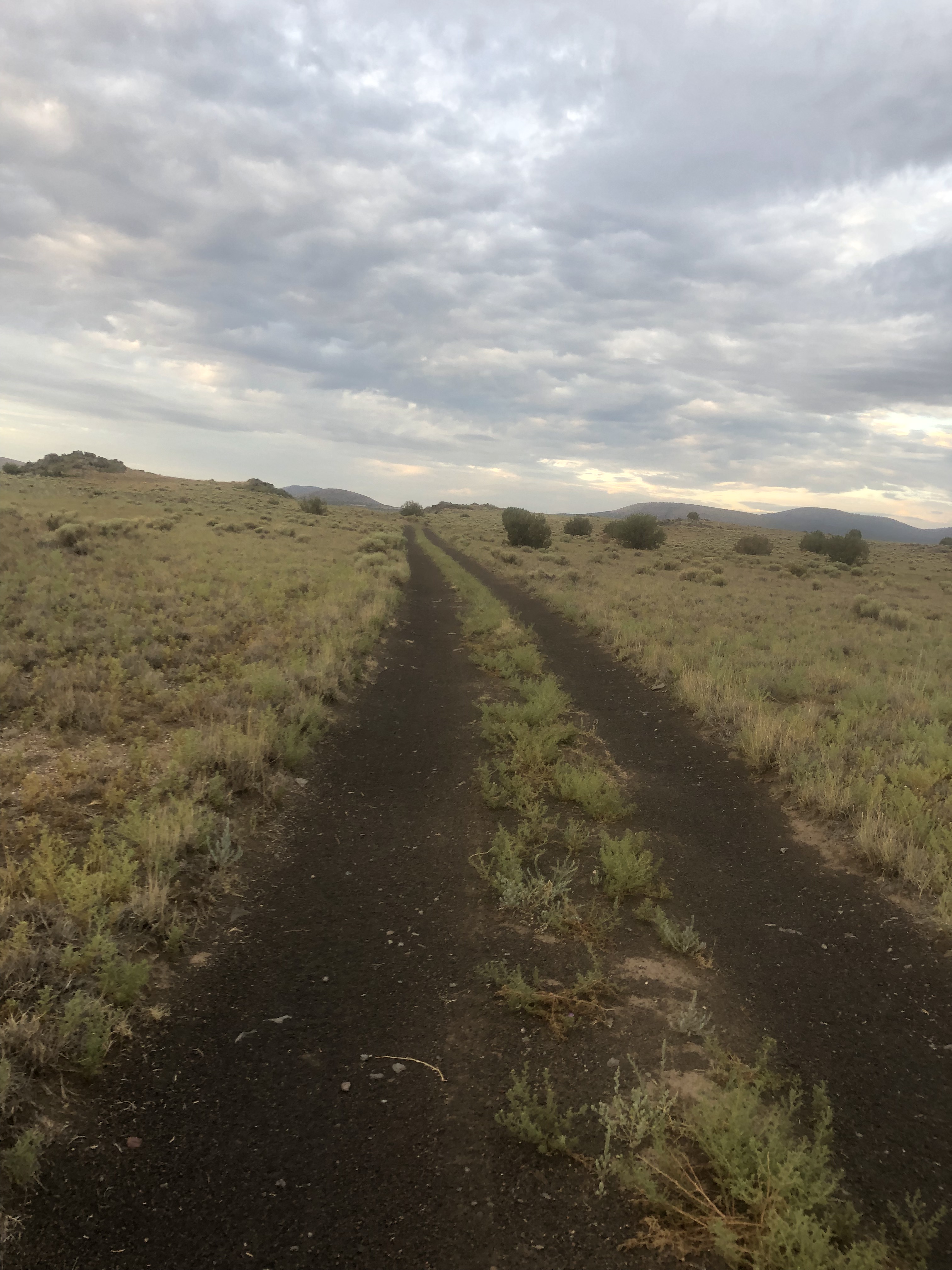 My husband and I often talk of the lives we’ve lived. Yes, I meant lives, plural, for we have journeyed much and been allowed the experience of learning different people and places. There is a distinct culture to every place. Each person has a tribe, not just those we think of as tribal peoples. We are all tribal to a certain extent, for we know our ways and our family’s ways and we find comfort in the familiar. We know this, my husband and I, and we have talked of the differences and similarities of cultures. We have learned that people are different and people are the same. Some behaviors are everywhere and some behaviors are particular to certain places. It is the nature of humanity.
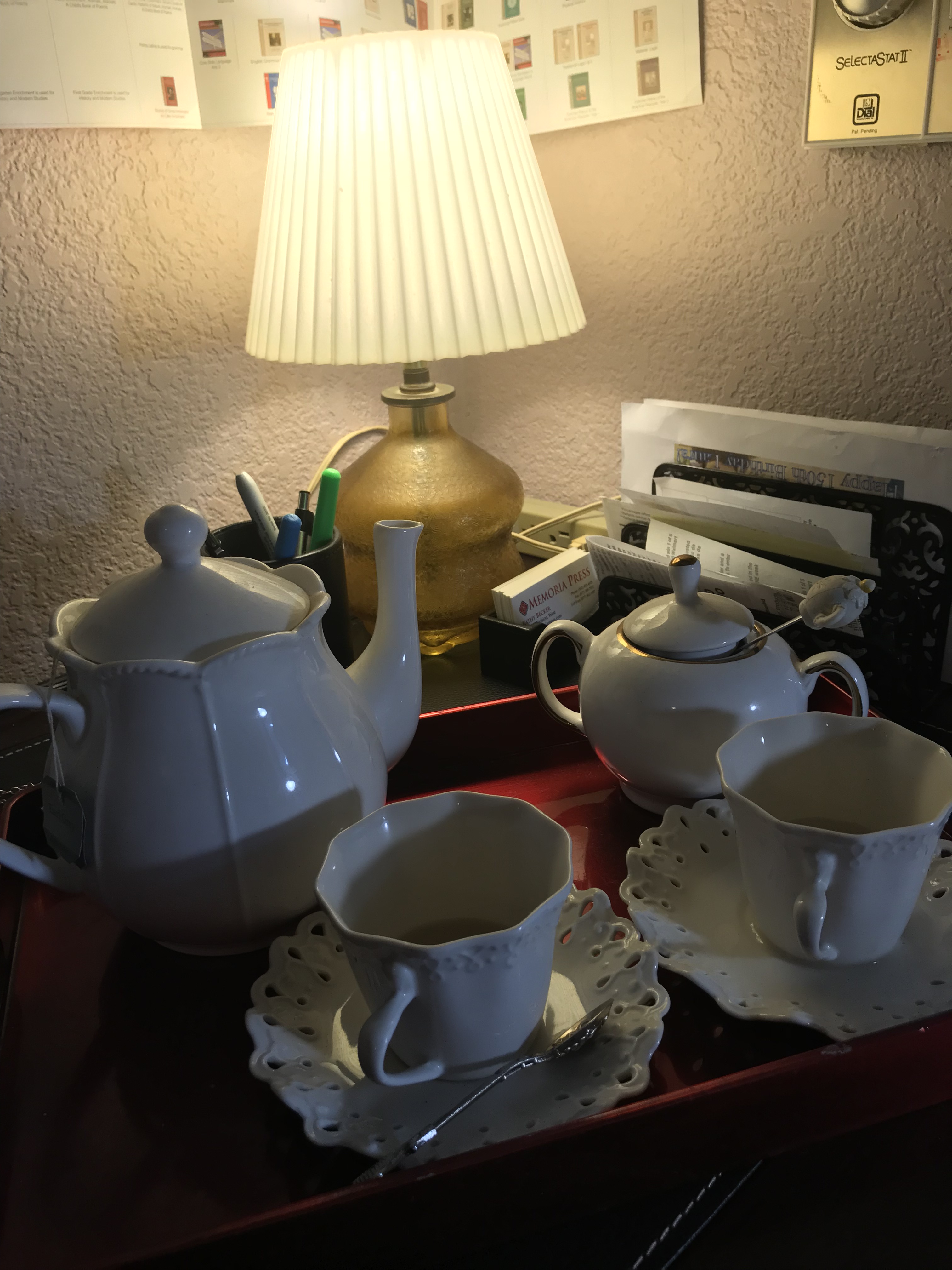 C.S. Lewis once wrote, ‘ You can never find a cup of tea big enough, or a book long enough to suit me.’ At this late hour, with my cup of tea by my side, surrounded by my precious books, I feel a kinship with the great man. It’s late, very late, and I am tucked up in the quietness of our home office, my special place, the place that is fast becoming my thinking spot.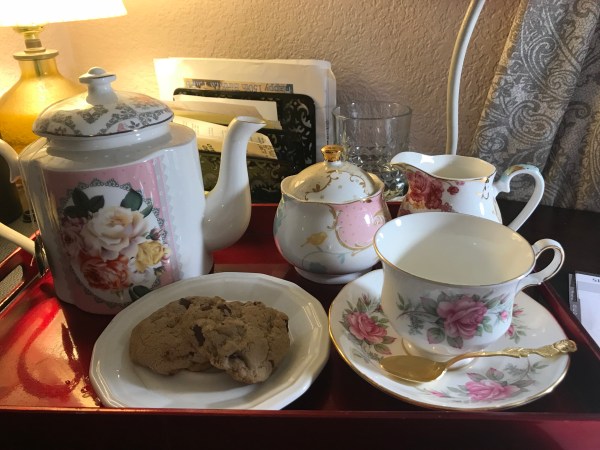
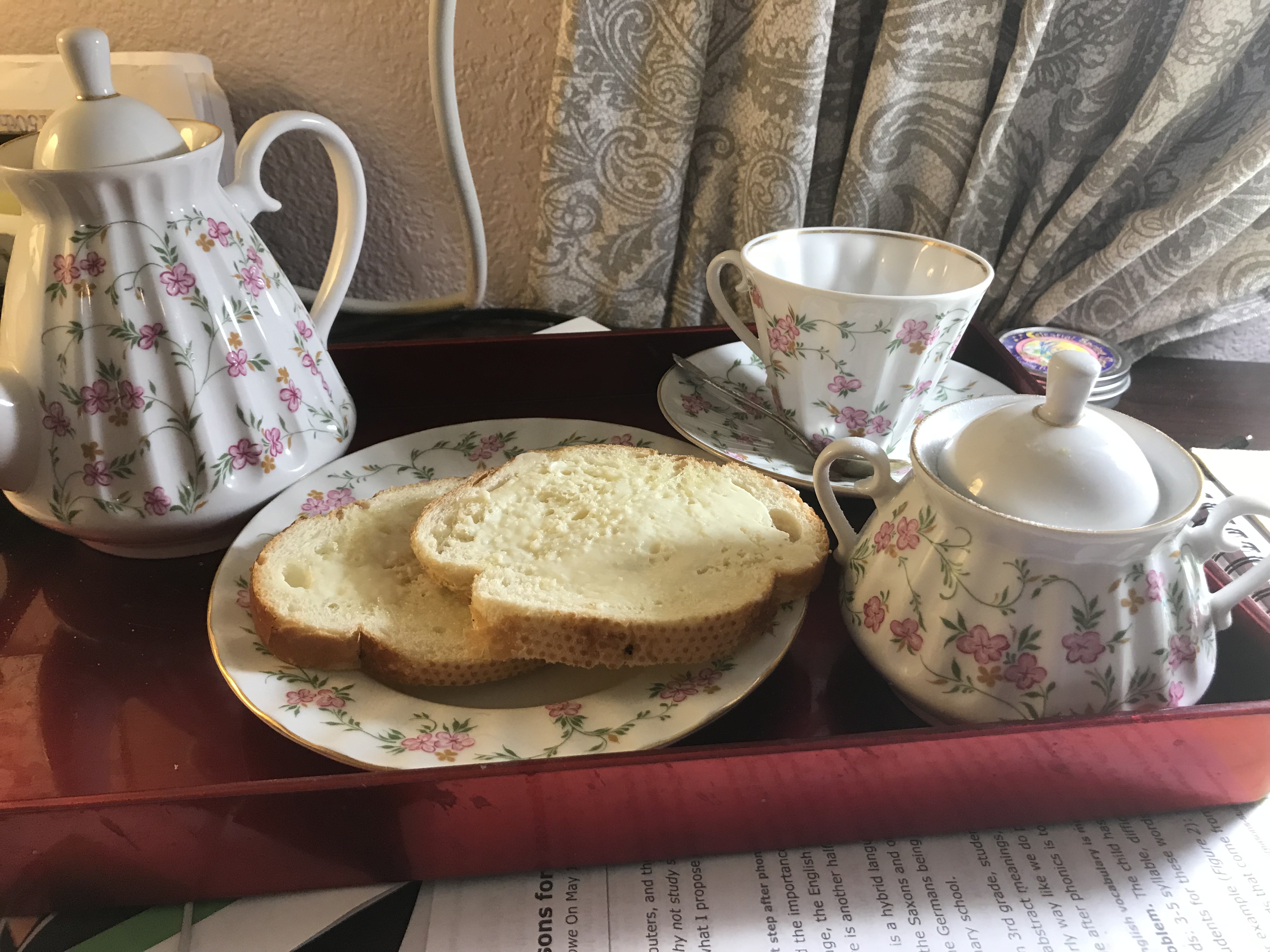
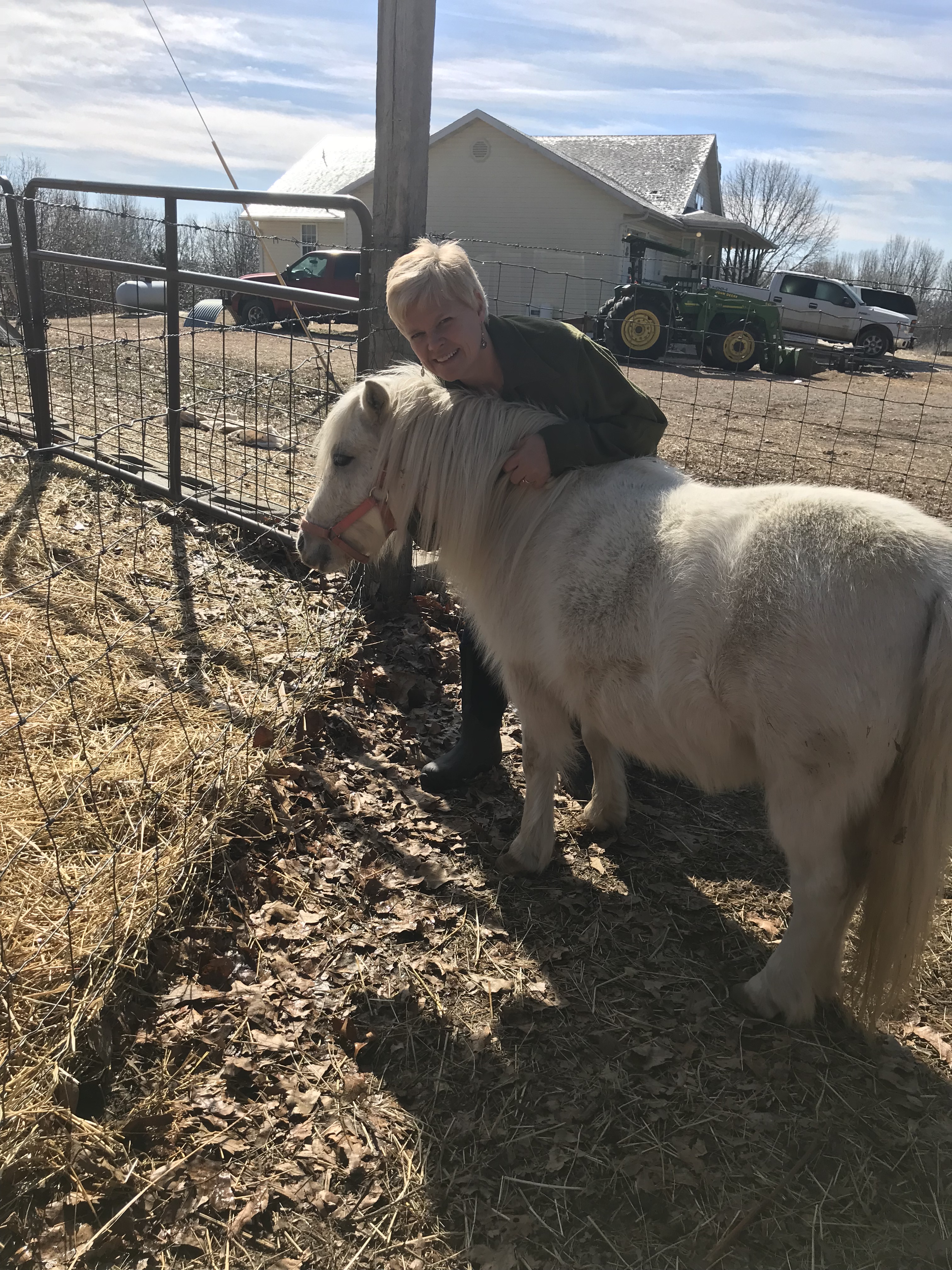 The sun shone brightly as we stepped out into the cold morning air. Silver slivers of ice covered the ground. We were headed out to do the chores, my granddaughter and I. Lambs baaing, dogs barking, and goats bleating welcomed us in a beautiful orchestra of morning music. I had slipped my daughter’s barn boots on before leaving the house and I was free to slosh through any mud, ice, or muck we met on this adventure.
 Driving along narrow country roads has never been my cup of tea. I prefer the wide vistas of Arizona to the narrow country roads of the east. But here I was. My job had called me to Kentucky and I was left with a free day, my plane not leaving until evening. This was my chance to visit the much talked about Ark Encounter, a replica of the biblical Ark, built with the exact dimensions given in God’s instructions to Noah.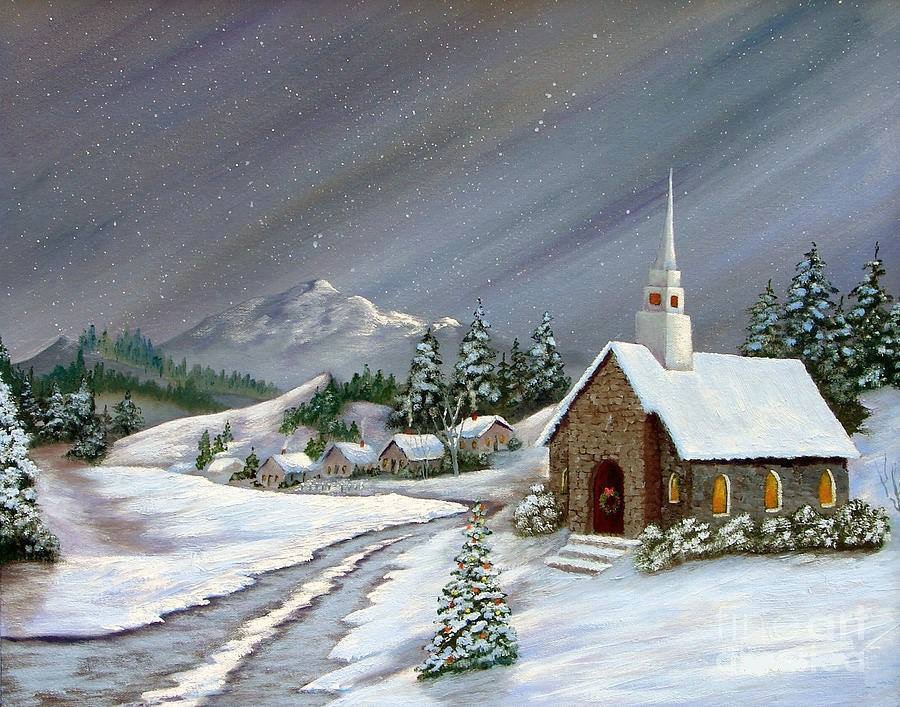
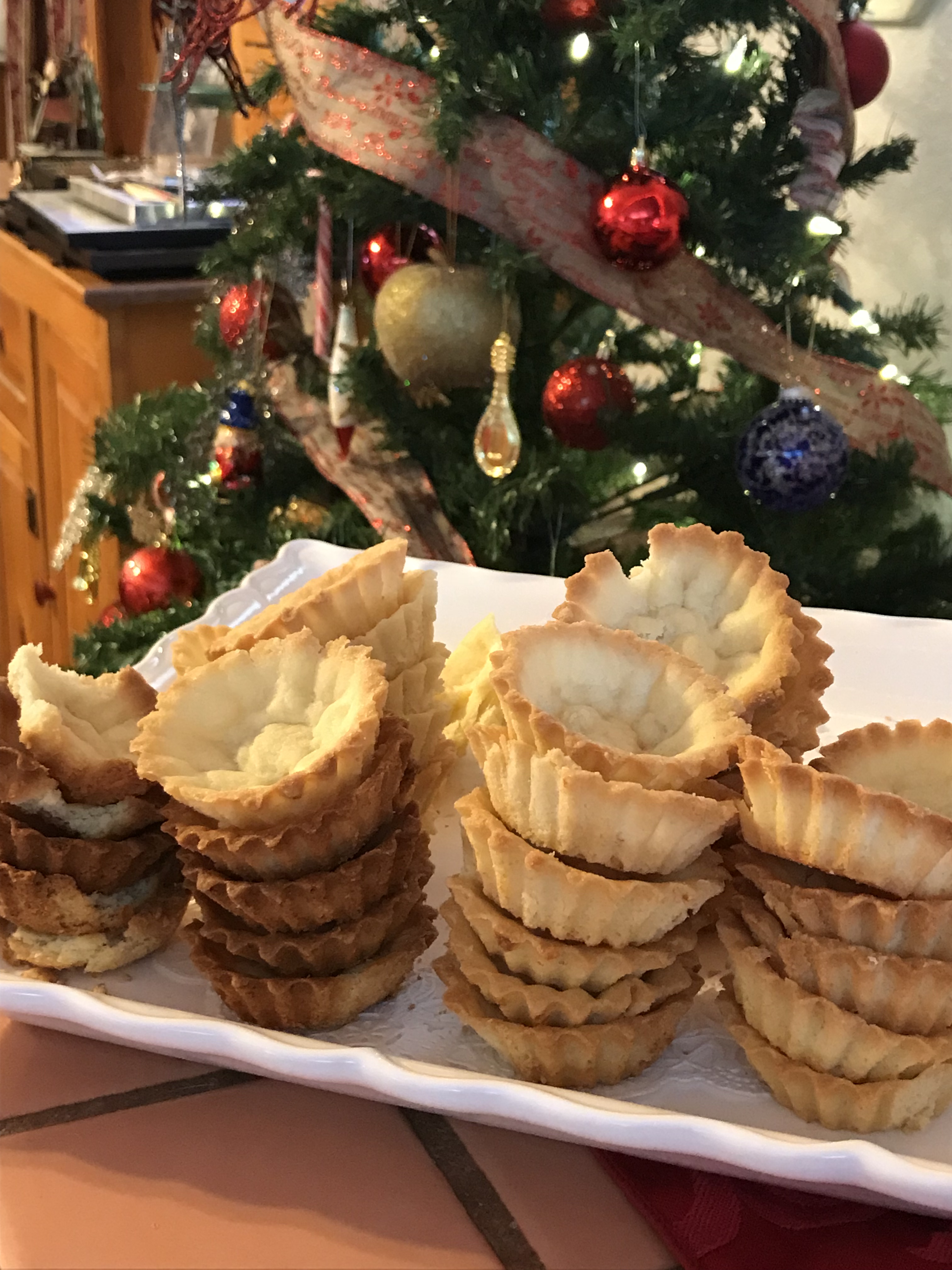 “Press it thinner.” my mother said, and I struggled to press the soft sandkaker dough into the metal form. I knew that the dough needed to be just the right thickness in order for the sandkaker to bake properly. My young hands worked hard, fingers pressing the dough to the sides of the metal tin, shaped like the outside of a cupcake. It was Christmas and the krumkaker must be made.

 Beautiful Words